
An agent is a new hire, not software
Why the deterministic security model breaks on AI agents, and how onboarding, least access and zero trust carry over from people to agents.
// speaker
Founder, OpsAgents AI · building reasoning agents since 1999
The question that decides an enterprise AI deployment is not “is it accurate”. It is “who is accountable when it acts”.
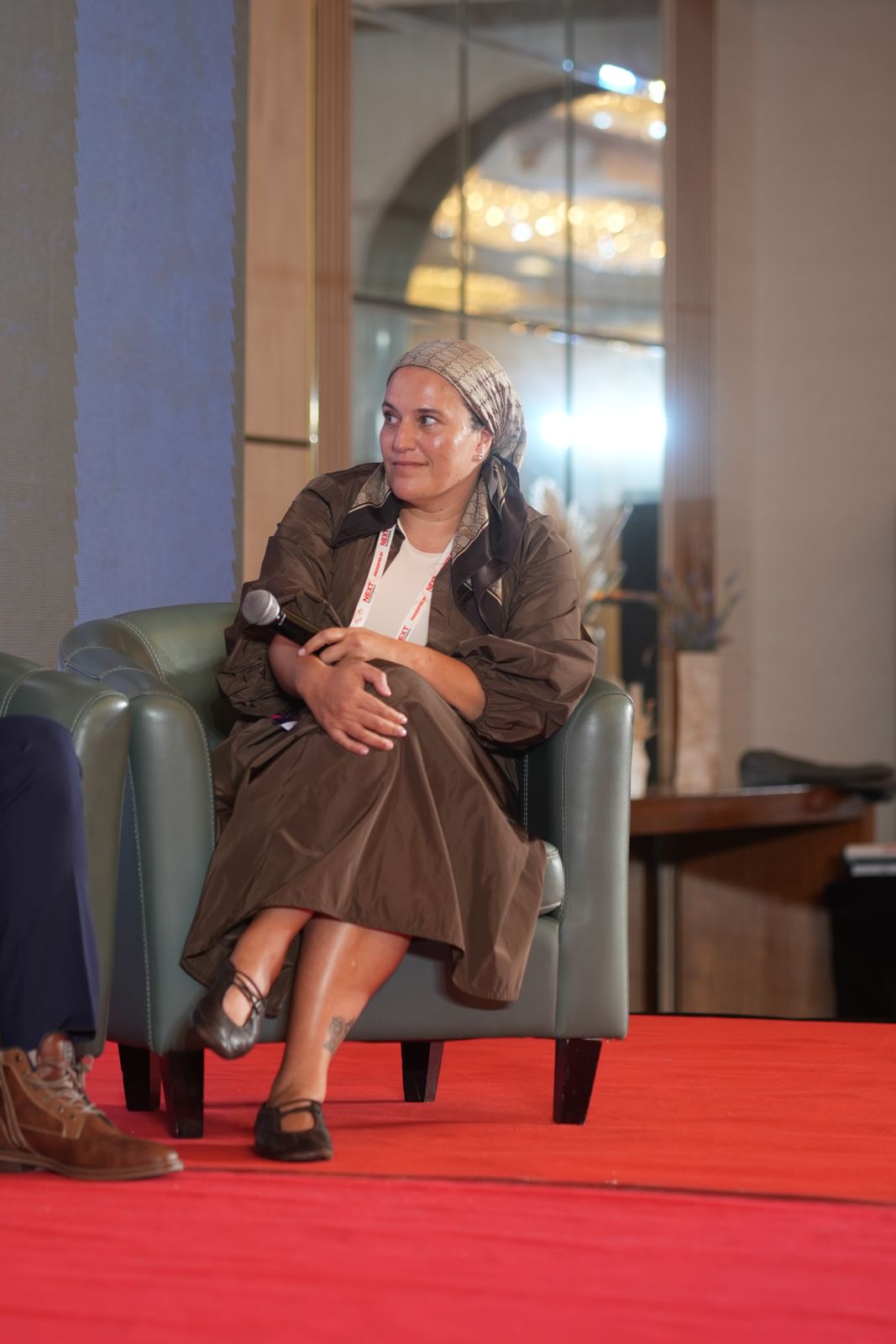
// featured talk
Full answer · 2:35
The moderator, Amit Grover, asked how companies can give AI agents real access to systems and still keep control. Michal’s answer: stop treating the agent as software.
For decades security was deterministic. The bug lived in the code, and so did the vulnerability, and attackers used deterministic tools against deterministic systems. An agent is not deterministic. It behaves more like a new employee than like a program, so manage it like one:
Autonomy is earned, not granted. That is the idea behind SOSA, the methodology OpsAgents AI builds on.
// clips
// topics
Why the deterministic security model breaks on AI agents, and how onboarding, least access and zero trust carry over from people to agents.
Giving agents real access step by step: tests inside the loop, a human on anything that cannot be undone, and a log of every action and whose authority it ran on.
Designing agent systems that are governed and supervised from the start, instead of assembled from prompts and patched later.
“Most companies are buying AI. Very few are learning to supervise it.” What teams need to learn so their people stay accountable for what agents do.
// bio
Michal Shatz has been building reasoning agents since 1999, when she modelled a lawyer’s reasoning in a Hebrew Prolog-style language at a Weizmann Institute programme for Israel’s Ministry of Education. That was more than two decades before the current wave, not adjacent to it. At Reichman she worked on hologram-based virtual presence, letting a busy person send a version of themselves into a meeting, and drew European research funding for it. She went on to spend years shipping regulated, high-stakes software, applications that unlock cars and move live insurance payments, and the security and compliance work that comes with it.
Today she is the founder of OpsAgents AI, where she designs the agent architecture rather than prompting it. She is a certified Claude Developer and Claude Architect, and ten people on her team are completing the same certification. Her position: the companies that win will not be the ones that bought AI. They will be the ones whose people learned to supervise it.
// on stage
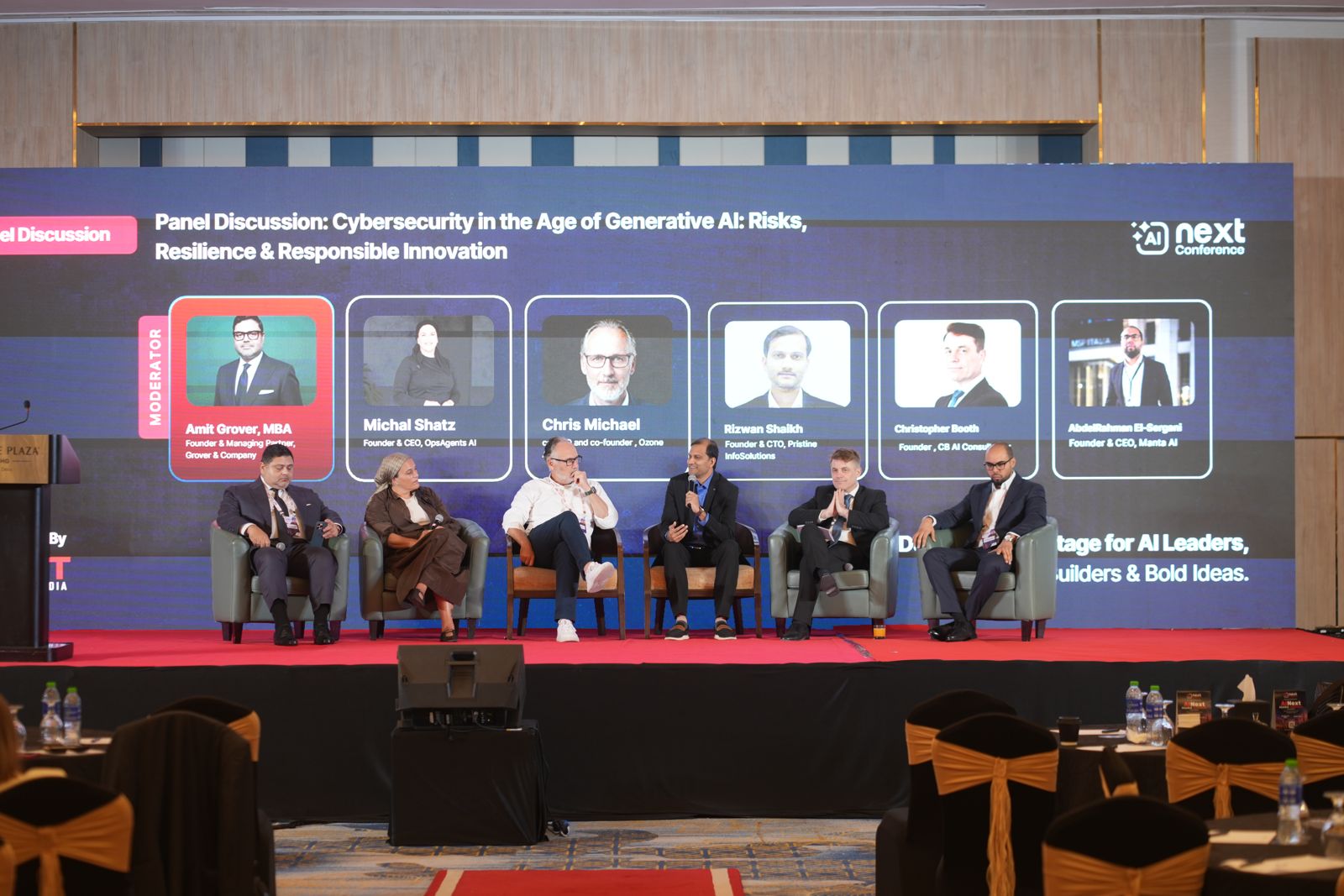
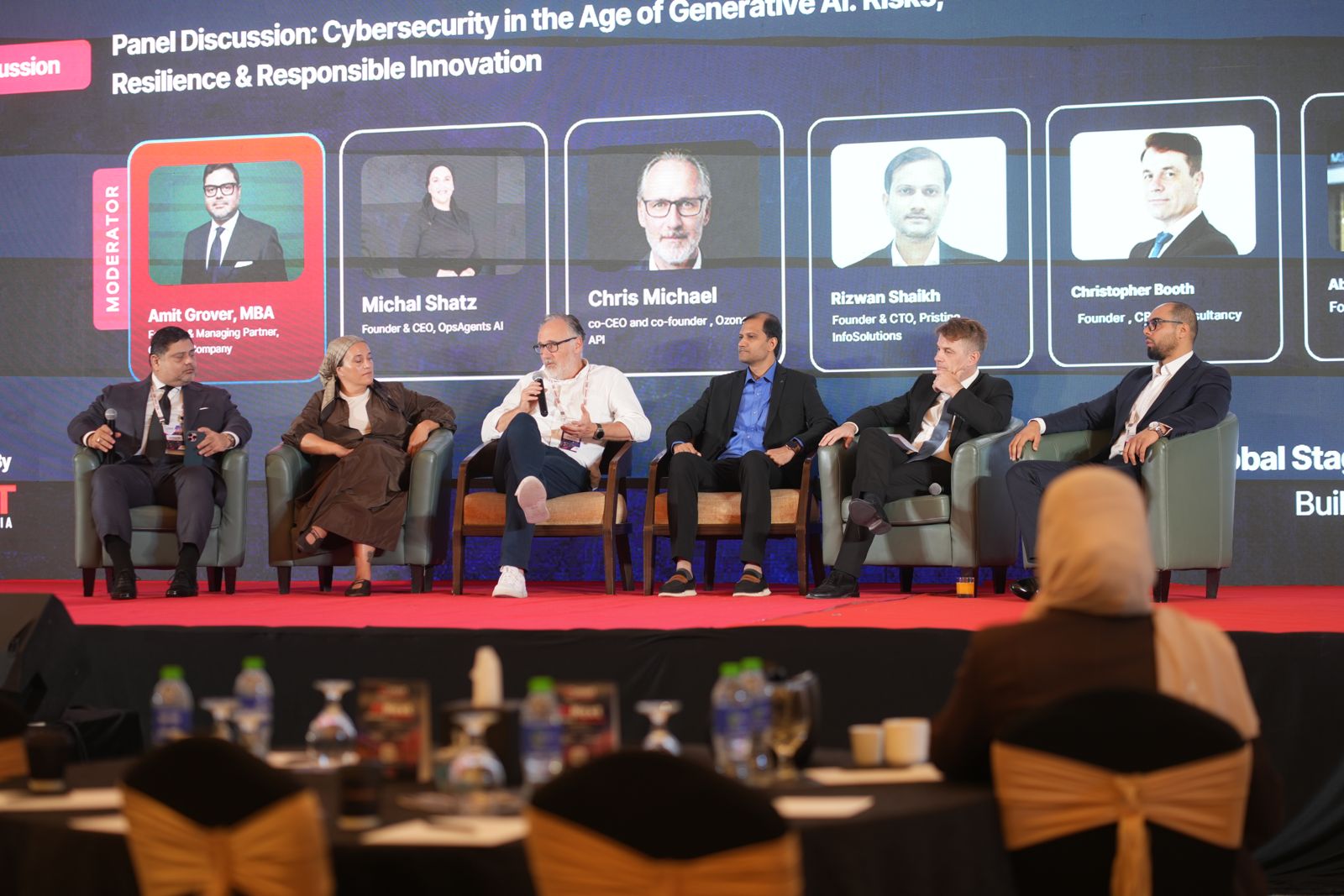
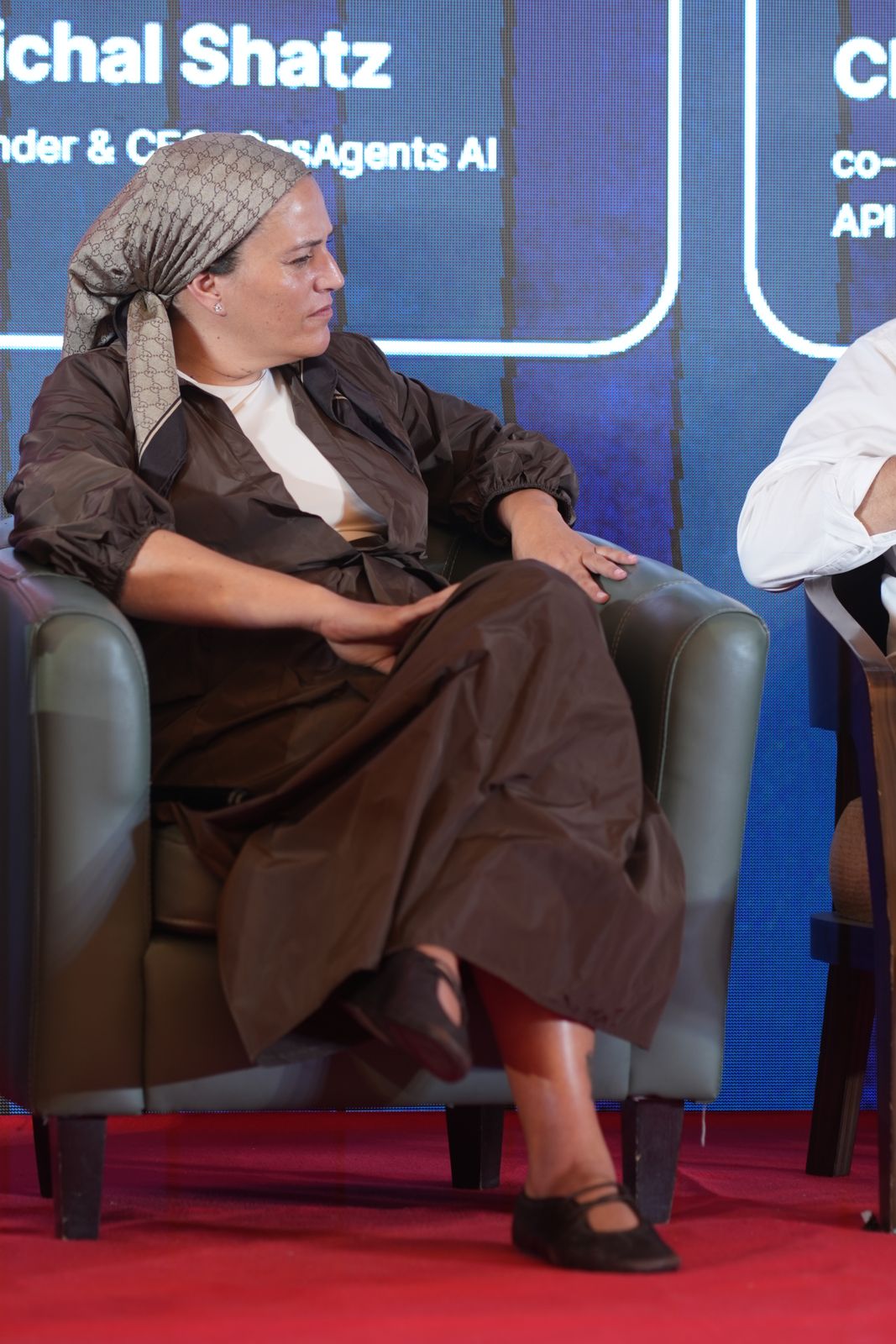
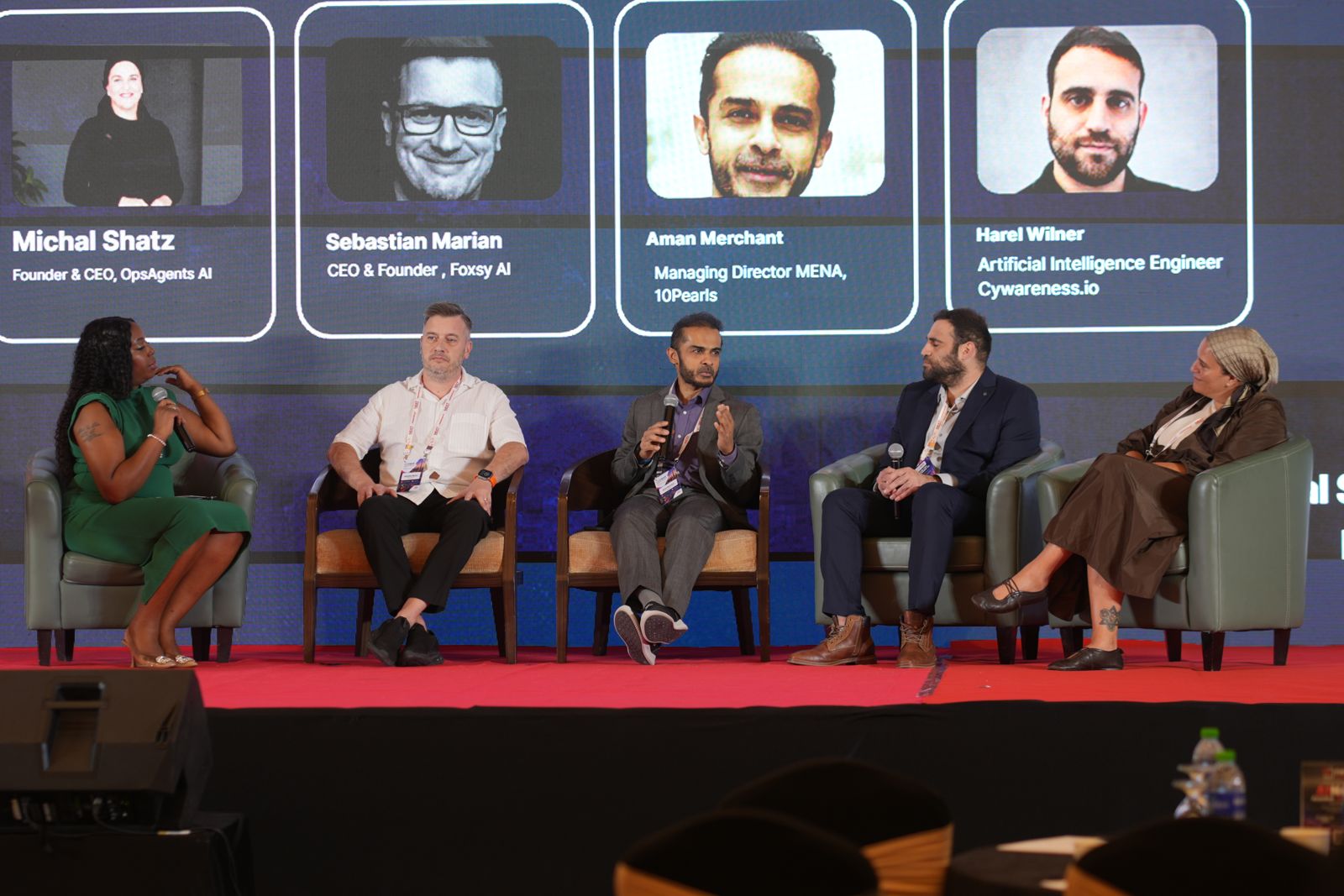
Keynotes, panels and closed-door sessions on AI agent security, governance and supervision. In English.
michal@opsagents.agency →